
In 1983, in San Clemente, California, two audio engineers named Geoff Spencer and Scott Struthers asked a simple question: why does every loudspeaker need to be a piece of furniture? Their answer became the first commercially successful in-wall loudspeaker, and Sonance became the company that invented architectural audio as a category. More than forty years later, Sonance is still headquartered on the same Southern California coastline, still privately held, and still the reference brand for designers and integrators who want sound without sightlines.
The Brand That Defined a Category
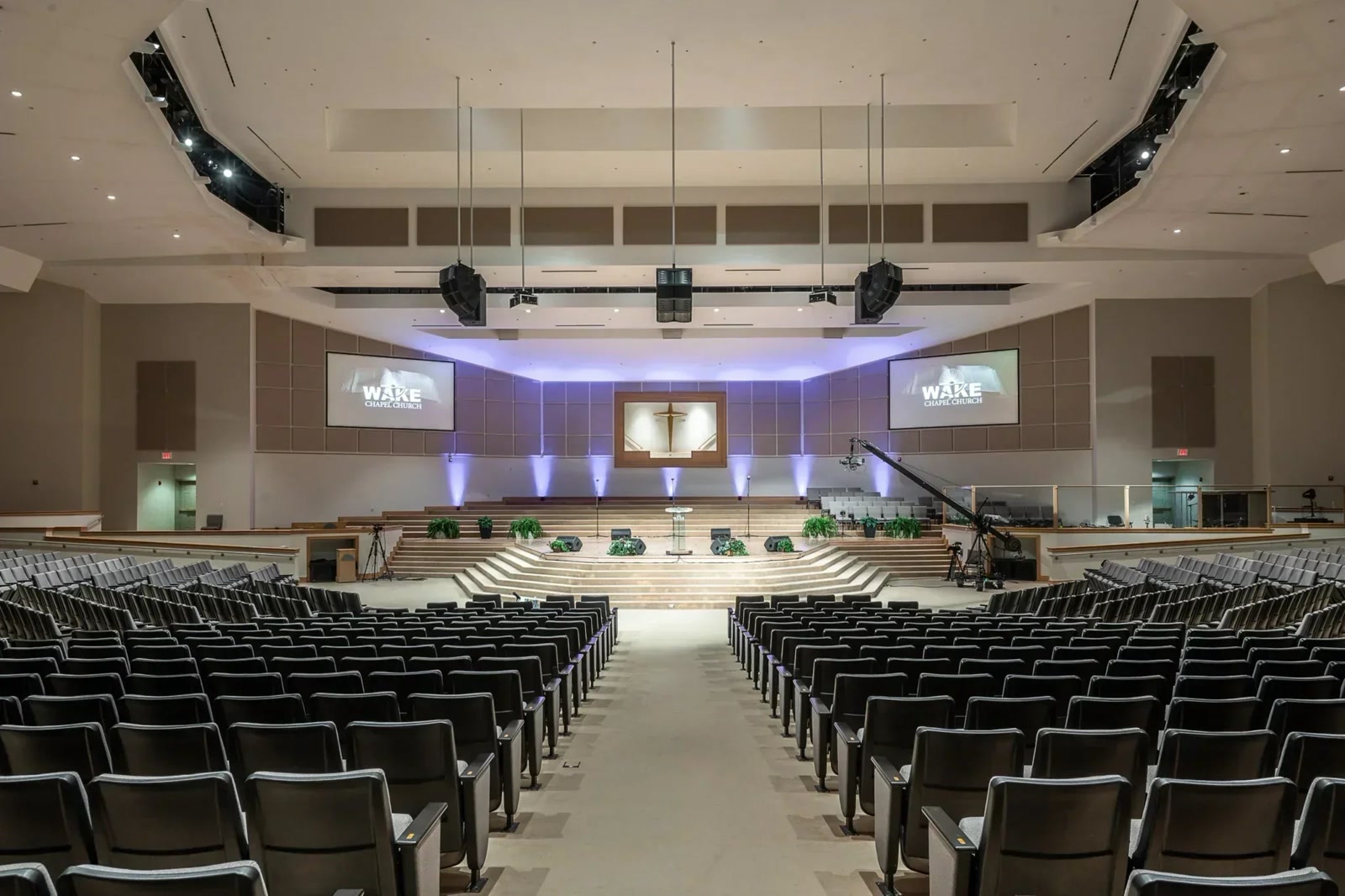
Sonance’s core thesis has not changed since 1983: in a well-designed room, the speaker should be heard, not seen. What has expanded is the breadth of the catalog — and the ambition of the projects it now powers. From custom homes to flagship restaurants, performance arenas, theaters, hotels, and houses of worship, Sonance products are deployed in environments where audio must perform at a professional level while disappearing into the architecture.
The company’s product organization breaks into a handful of clearly defined platforms, each engineered for a different installation environment:
- Architectural — in-wall and in-ceiling loudspeakers spanning the Reference, Professional, and Visual Performance lines. The flagship category that started the company.
- Landscape — outdoor satellite speakers and in-ground subwoofers designed to deliver consistent coverage across patios, pool decks, and entire estates without the visual footprint of bollard-style outdoor speakers.
- Visual Performance — the architectural-grille line that gives designers a clean, square, edgeless aesthetic when a fully invisible install is not in scope.
- Invisible Series — speakers engineered to mount entirely behind a finished surface and be plastered or painted over. Sonance was the first major brand to commercialize this category at scale.
- Sonance Professional — the commercial line for restaurants, retail, hospitality, and worship spaces.
From the Hamptons to Pacific Coast Hospitality
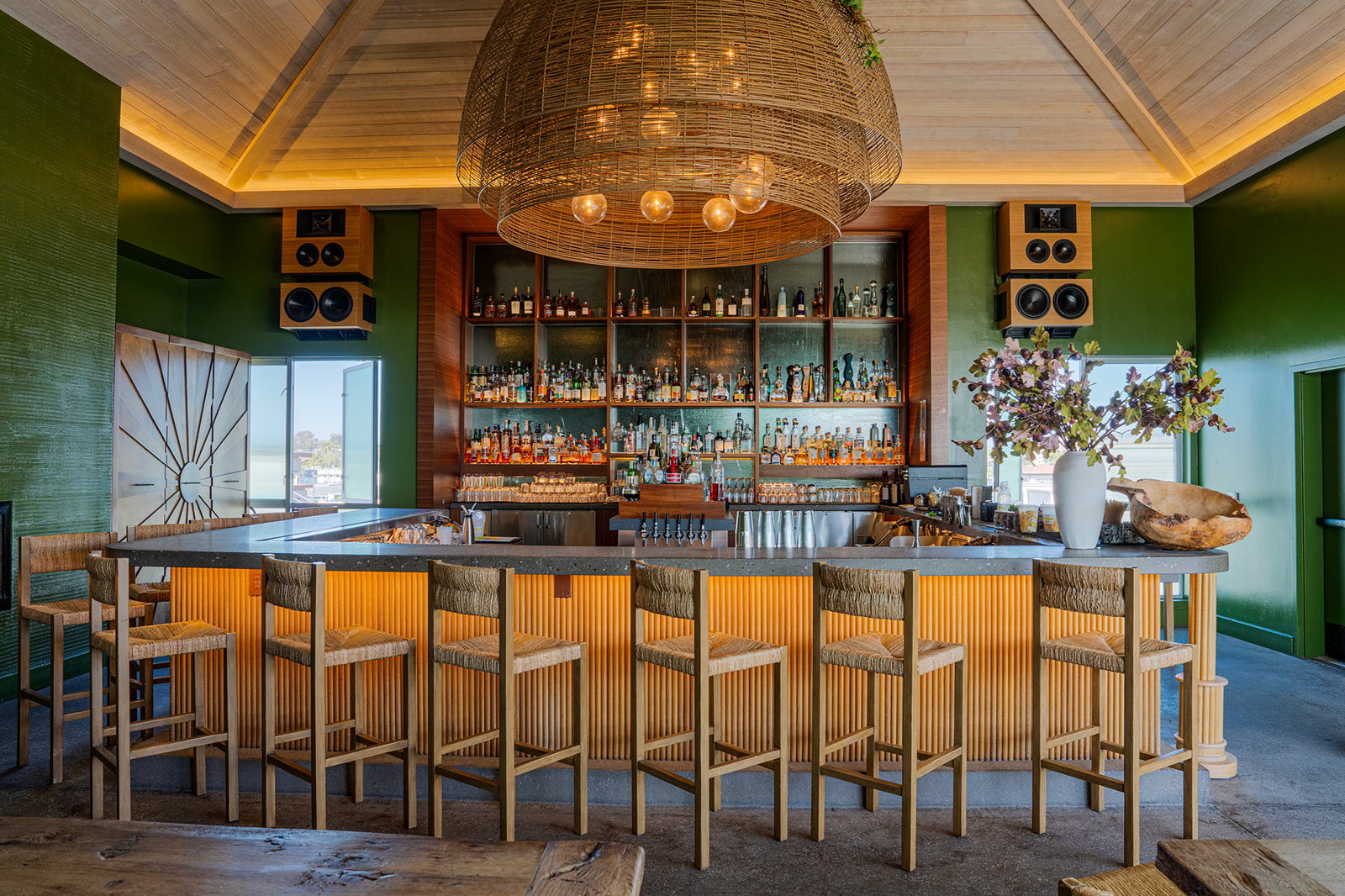
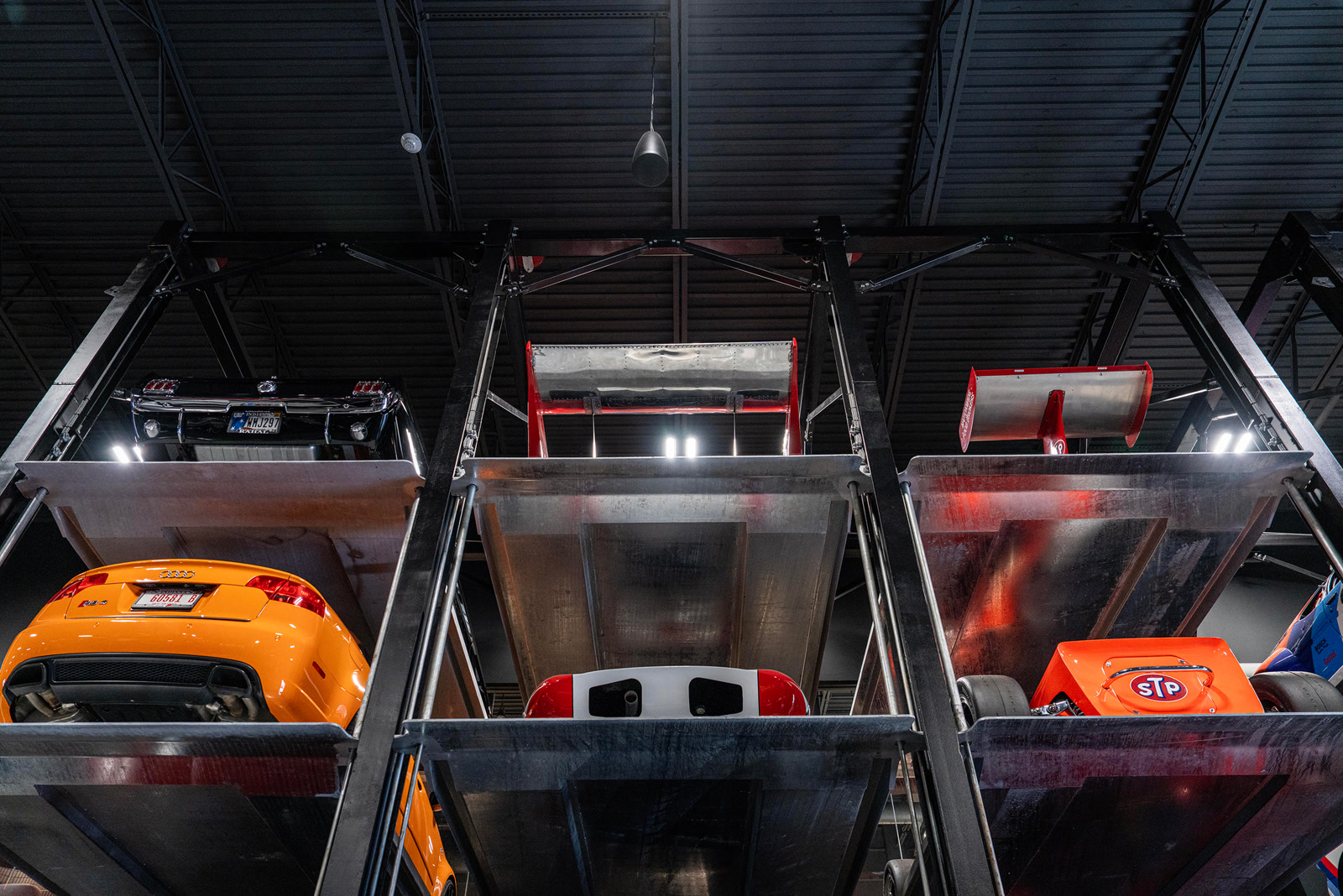
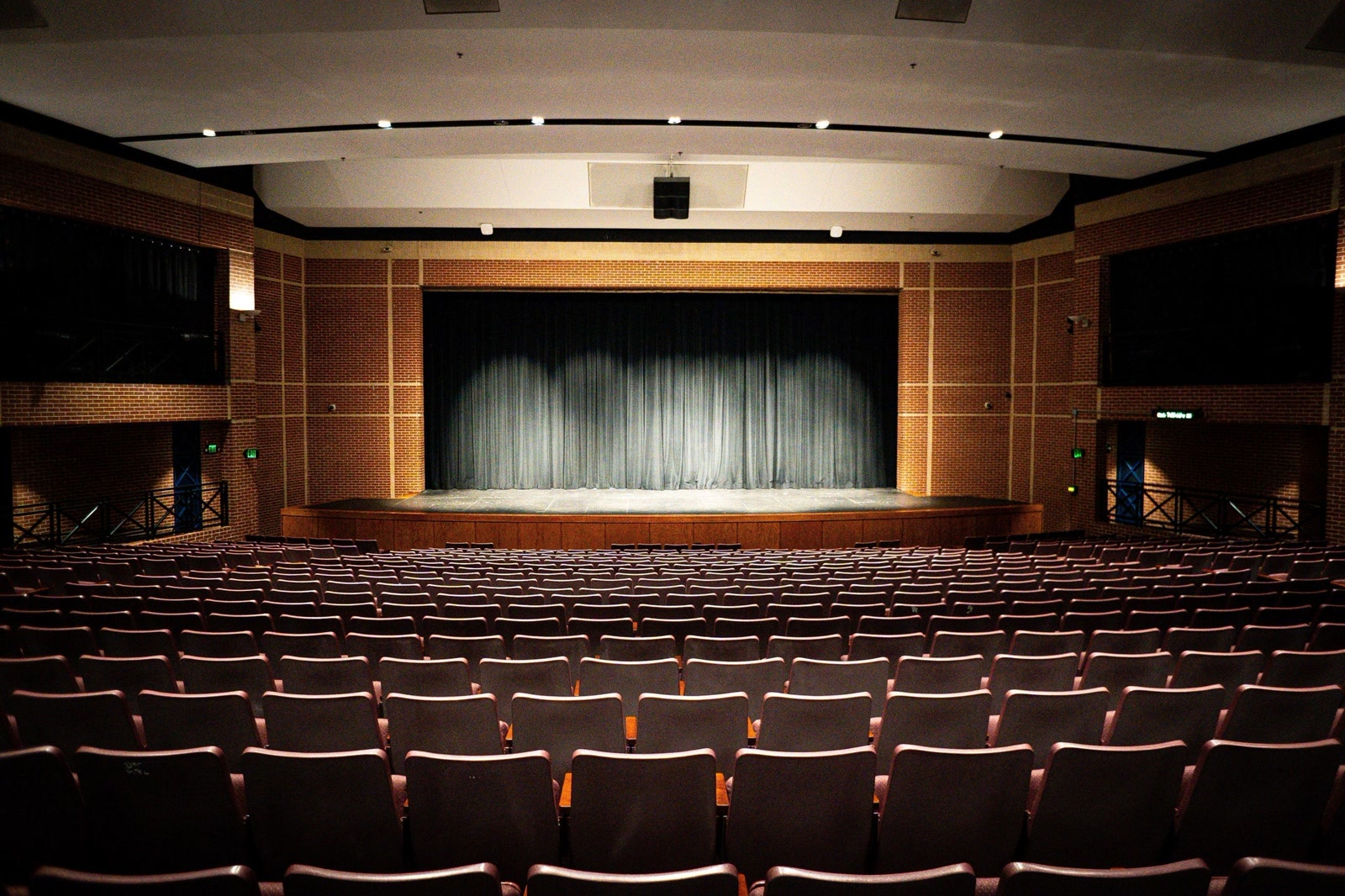
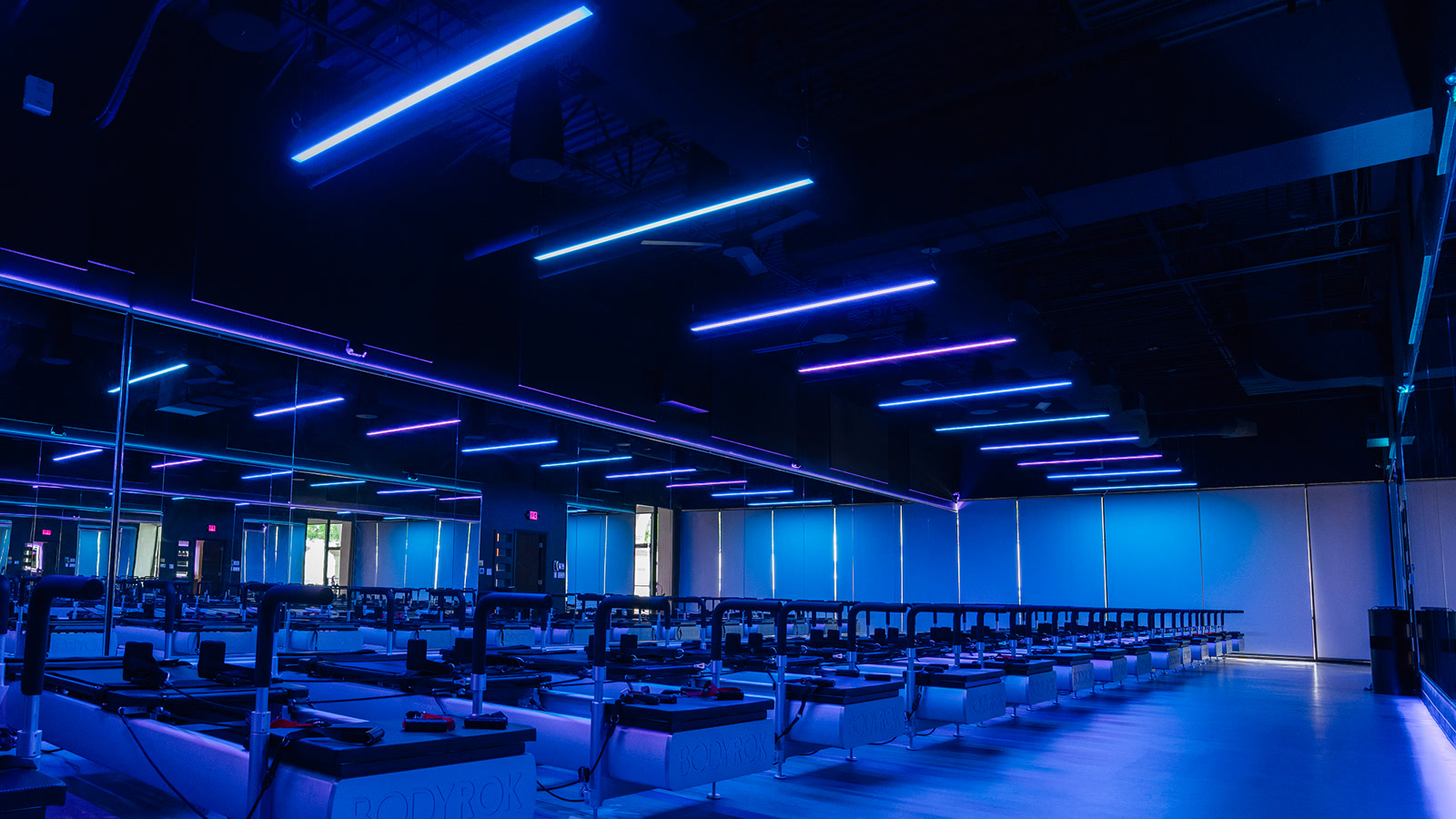
Sonance’s case studies read like a tour of how 2026 hospitality is being designed. Recent installations on their public site include the rooftop bar at the Mission Pacific Beach Resort in Oceanside, California; Fuego Restaurant; Rahal Performance; the Painted Pickle pickleball venue; the Hope Center KC; BODYROK; and Fossil Ridge High School Theater. The breadth is part of the point: Sonance is not just a custom-residential brand; it is the audio platform behind some of the most demanding commercial design environments on the West Coast.
For the residential side, Sonance has long been the de-facto specification on the Hamptons-to-Hudson-Valley luxury circuit. When a client’s designer signs off on a clean ceiling plane, when a millworker has built a wall the homeowner is unwilling to interrupt, when a landscape architect has finished an estate and the audio still needs to feel ambient rather than installed — Sonance is the brand that gets specified.
The Sonance & James Loudspeaker Group
In recent years Sonance has consolidated several premium audio brands under one roof, including James Loudspeaker — the high-performance custom audio specialist whose products extend Sonance’s reach into ultra-luxury cinema, marine, and outdoor estate installations. The combined brand portfolio has been recognized by industry organizations including CEDIA, where Sonance has earned multiple awards for both product engineering and installation design over the years.
Sonance has also remained committed to its San Clemente engineering campus and to a global dealer-and-integrator network — the company sells exclusively through trained partners rather than through retail channels. That decision is intentional: Sonance products are designed to be specified, installed, and tuned by integrators who understand the architecture they are disappearing into.
Why Designers Specify Sonance
The pitch for Sonance, in 2026, is not really about the speakers. It is about what the speakers don’t do — they don’t interrupt a ceiling plane, they don’t dictate furniture placement, they don’t force a designer to compromise a finish to deliver real audio performance. That is why the brand has remained the default on Architectural Digest covers and luxury-hotel openings for four decades and counting.
The same philosophy has carried Sonance into pickleball clubs, boutique fitness studios, and rooftop bars: the loudspeaker disappears, and the room reads as it was designed.
The Restrepo Innovations Connection
For Restrepo Innovations, Sonance is one of the few audio brands we will specify on a luxury residence without a second thought. Our clients work with the best designers, architects, and millworkers in the tri-state area, and those teams expect a particular standard: the speaker is invisible, the sound is excellent, and the integrator does not push back on the finishes. Sonance is the brand that has been engineered around exactly that brief since 1983.
We deploy Sonance across all four divisions — residential whole-home audio, commercial hospitality, ultra-luxury home theater, and outdoor estate audio with the Sonance Landscape line. The James Loudspeaker side of the portfolio also gives us a path into reference cinema rooms when a client wants the audio to genuinely match the picture.
“Sonance is the brand we reach for when a designer has drawn a perfectly clean ceiling and the client still expects flawless audio. They invented the category in 1983 and they are still the reference. On a Hamptons or Hudson Valley estate, when the architecture cannot be compromised, Sonance is almost always the right answer — indoors, outdoors, and on the commercial side too.” — Michael Restrepo, Founder, Restrepo Innovations
If you are planning a project where the audio has to perform without showing up visually — residence, restaurant, resort, or estate — you can explore the Sonance catalog directly or contact our team to design an integrated system around your architecture, room geometry, and aesthetic goals.