Marantz is one of the defining names in hi‑fi, known for premium amplifiers, AV receivers, network players, and home cinema components—all built around a simple promise: “The Most Musical Sound.” (Marantz Timeline) Rather than chasing loudness or specs for their own sake, Marantz’s story is about obsession with listening: the kind of engineering discipline that only matters if it makes music feel more real.
For Restrepo Innovations clients building reference‑grade media rooms and whole‑home audio systems, Marantz sits at a rare intersection: classic hi‑fi heritage with modern formats, immersive surround processing, and a design language that looks like it belongs in an architectural interior.
From a kitchen‑table prototype to a hi‑fi legacy (1952–1964)
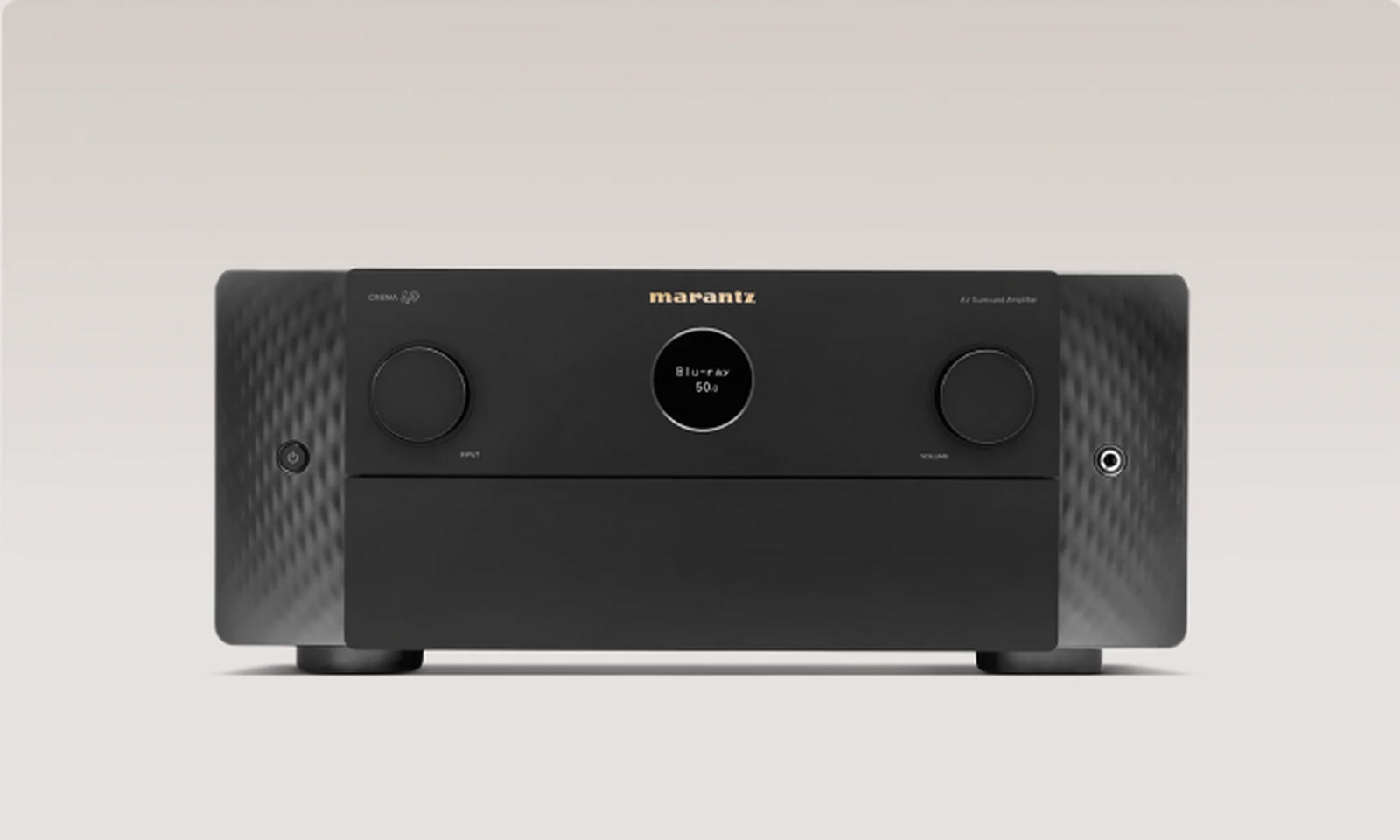
The origin story begins in New York. In 1952, Saul Bernard Marantz created the Audio Consolette, a pioneering preamplifier designed to handle the inconsistent equalization curves of early recordings. (Marantz Timeline) That first run of 100 units quickly sold, and in 1953 he founded the Marantz Company and opened a factory in Woodside, Queens. (Marantz Timeline)
Marantz’s early components became icons for serious listeners—including the Model 1 Mono Preamplifier (1954), the Model 7 preamplifier (1958), the Model 9 power amplifier (1960), and the Model 10B FM stereo tuner (1964). (Marantz Timeline)
“The Most Musical Sound”: a philosophy that stayed consistent
Marantz’s own timeline frames its north star as “The Most Musical Sound,” a phrase that shows up repeatedly in their brand story. (Marantz Timeline) In practice, that idea shows up in details that matter to listeners: component voicing, noise control, power supply design, and the belief that the emotional experience of music should lead the technical decisions—not the other way around.
Crafted in Japan: Shirakawa Audio Works (since 2002)
Marantz describes Shirakawa Audio Works—in the historic city of Shirakawa, roughly 185 km northeast of Tokyo—as the heart of its manufacturing since 2002. (Marantz Shirakawa Audio Works) The site highlights a team of around 200 people dedicated to “create the most musical sound possible,” emphasizing continuous improvement (Kaizen) and rigorous testing. (Marantz Shirakawa Audio Works)
Today’s Marantz: CINEMA Series and AV Separates
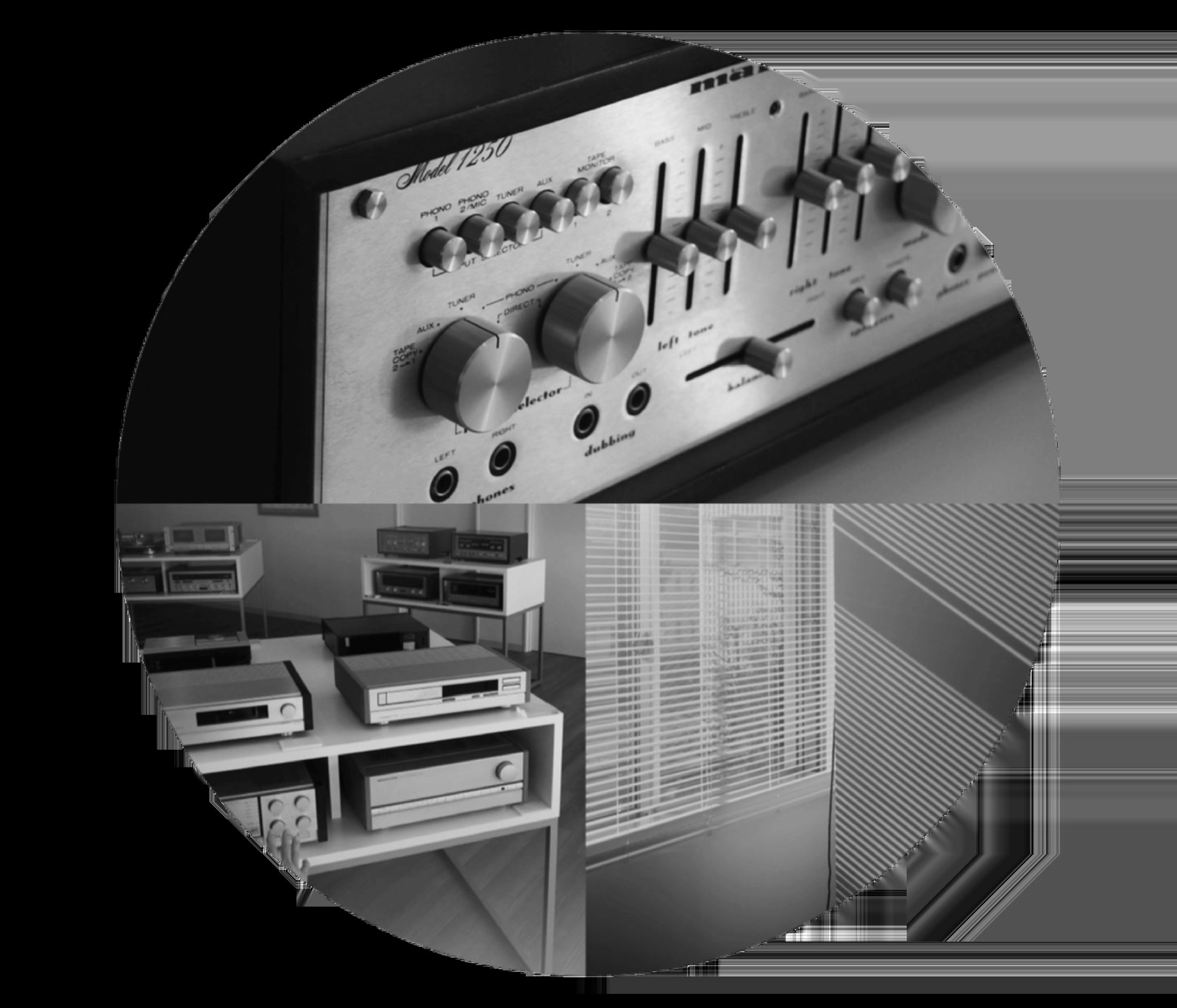
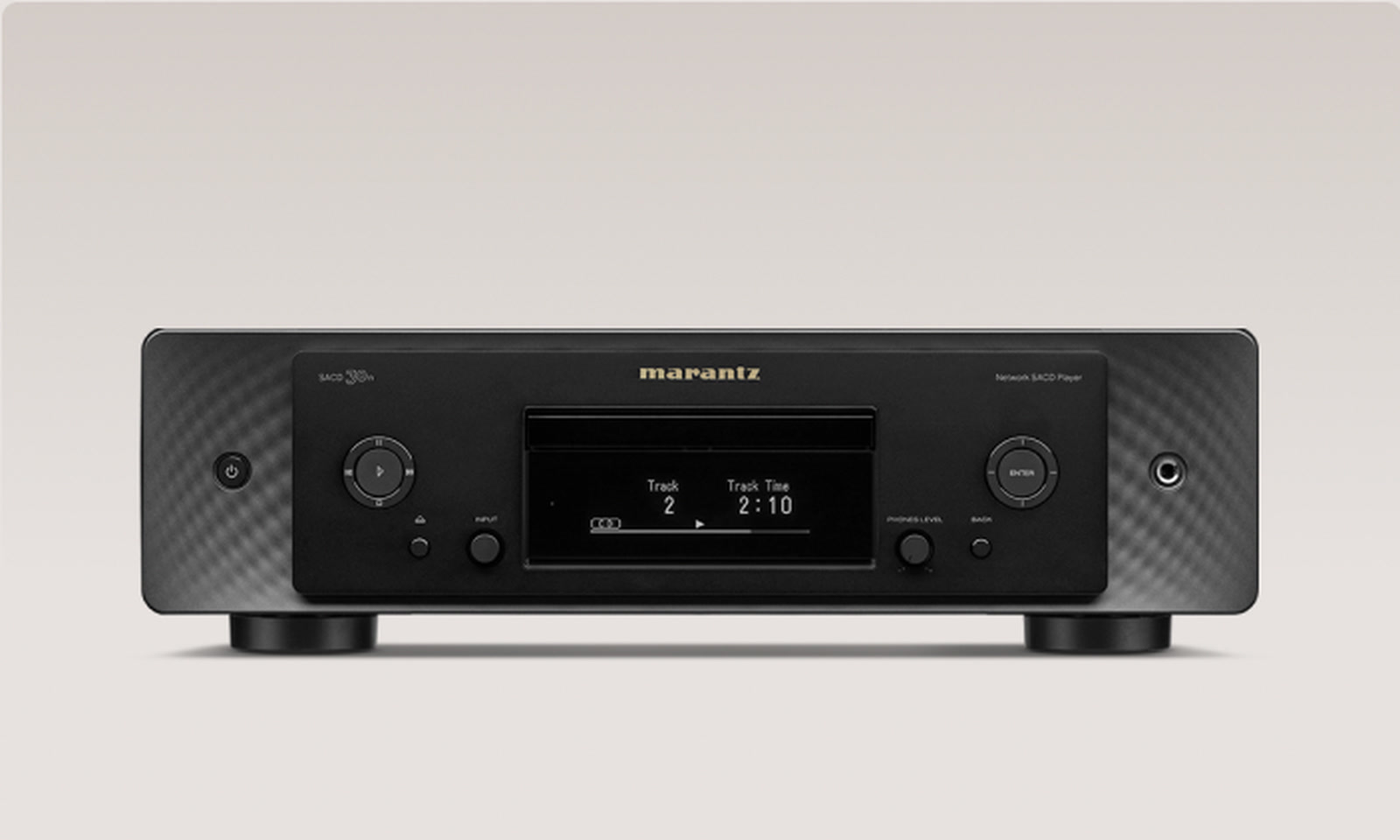
Modern Marantz spans both two‑channel listening and immersive cinema. On the home theater side, the brand highlights its CINEMA Series lineup of AV receivers as part of its current catalog. (Marantz CINEMA Series) For clients who want a theater built around separates rather than a receiver, Marantz also publishes a guide to its AV Separates lineup—including the AV 10, AV 20, AV 30, AMP 10, AMP 20, and AMP 30. (Marantz AV Separates user guide)
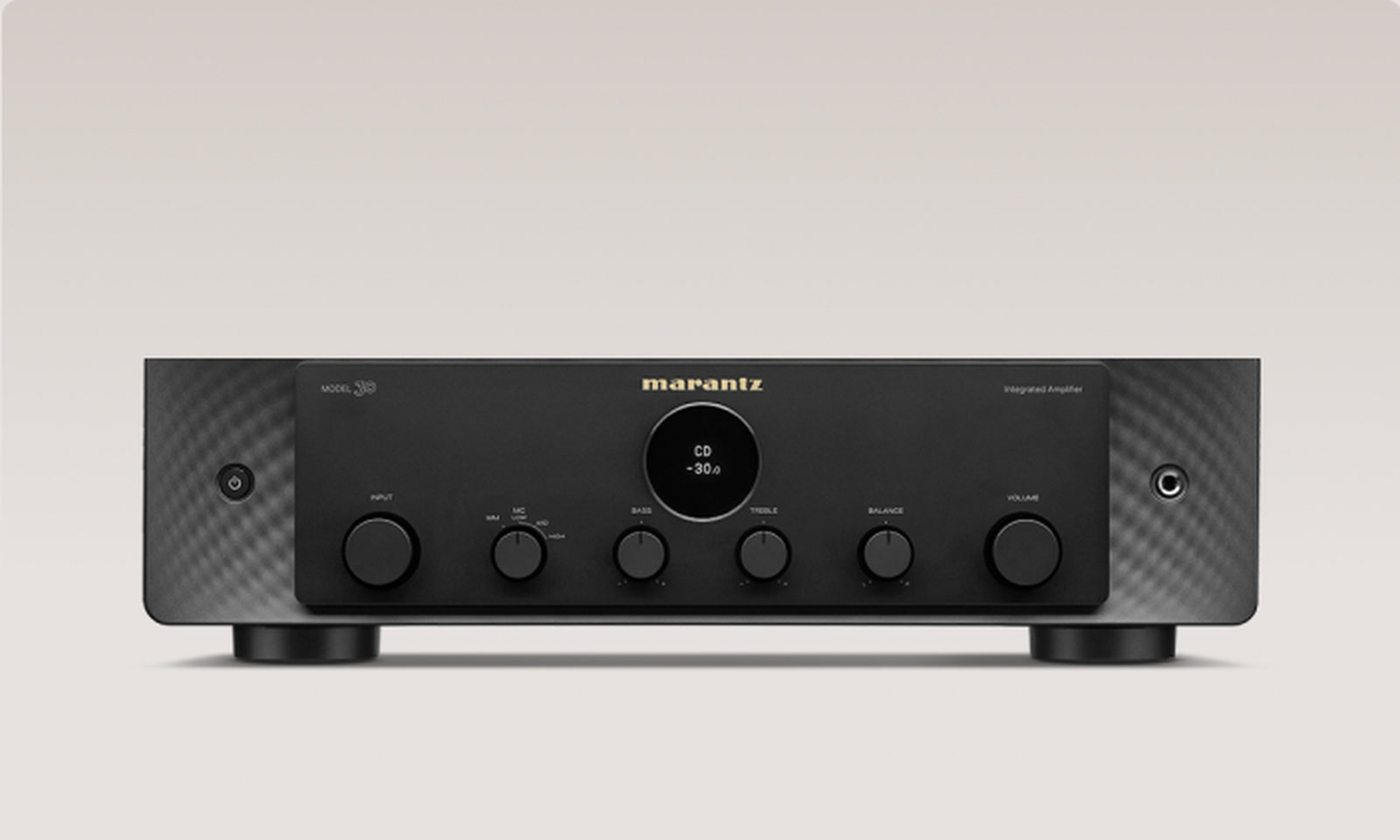
The same guide describes the lineup as modular—“the lineup allows users to tailor their system precisely to their space and listening goals”—and points to an upgrade path for CINEMA owners who want more amplification headroom. (Marantz AV Separates user guide)
How Restrepo Innovations works with Marantz
When we design a home theater or whole‑home system, we care about more than performance on day one. We care about reliability, serviceability, and how the equipment fits into the architecture and daily routine of the home. Marantz’s long‑running emphasis on craftsmanship—and their ability to scale from AV receivers to separates—makes them a strong match for projects where the client wants something that feels intentional and lasting.
“Marantz has a way of making performance feel refined. When we’re building a theater that’s meant to be used for years—not just shown off once—that balance of power and musicality matters.”
— Michael Restrepo
Next steps: Contact Restrepo Innovations to discuss your project, or learn more about Marantz on our partner page: Marantz.